The Falling Ball Game
- 4.7
- Rating
- 500.00K
- Installs
- Free
- Price
 Analysis by App-foxy
I approached The Falling Ball Game as a quick trivia game rather than something designed to replace a large, feature-heavy quiz platform. Its basic appeal is easy to understand: you answer questions while dealing with the pressure of a falling ball. That combination gives ordinary trivia a little more urgency, so each question feels less like a passive test and more like a short challenge.
That simplicity is also the most important thing to understand before downloading it. This is not a broad learning suite, a long-form adventure, or a serious examination tool. It is a casual game from VGames Pte. Ltd. that works best when I want a brief mental break, a few questions, and a reason to stay focused. The game is free to access, carries an Everyone age rating, and is suitable for Android devices running version 8.0 or later.
My overall impression is positive, but specific. I would recommend it to someone who enjoys trivia and likes a little action layered onto familiar questions. I would not recommend it to a player looking for deep progression, detailed explanations, or a large competitive ecosystem. Its value comes from the way it turns short quiz sessions into tense little attempts, not from offering a huge amount of content around them.
You May Also Like

 Blood Strike: 2.5 Anniversary
Blood Strike’s Loadouts Turn Every Drop Into a Tactical Gamble
A close look at Blood Strike’s custom loadouts: how fast access to signature weapons reshapes its battle royale rhythm, rewards preparation, and narrows the gap between fights.

 Pandora - Music & Podcasts
Pandora’s Music Is Easy to Start, but Harder to Recover
Pandora’s strength is its low-effort path from a seed to a station. Its weak spot is how much confidence it asks you to place in connection, setup, and quiet recovery.

 8 Ball Pool
 Is Built on Rivalries, Rematches, and Routine
A close look at the rivalries, rematches, shared routines, and unanswered safety questions that turn a quick pool match into a persistent mobile community.

 Samsung Music
’s Quiet Strength Is Playing What You Already Own
Its reach comes less from spectacle than from dependable access to a personal library. That simplicity is both the app’s strongest retention engine and its ceiling.

 AccuWeather: Weather Radar
AccuWeather Review: A Quick, Clear Forecast for Everyday Decisions
For everyday plans, the best forecast is the one you can understand quickly. AccuWeather makes rain timing, radar, and local conditions easy to act on, with a few trade-offs.

 Hill Climb Racing
Why Hill Climb Racing Still Turns Crashes Into One More Run
A tiny car, a bumpy hill and one more upgrade: Hill Climb Racing keeps resurfacing because its simple chaos makes every near-miss feel personal.
More From Our News Desk
View All News


How the falling-ball idea changes a familiar trivia format
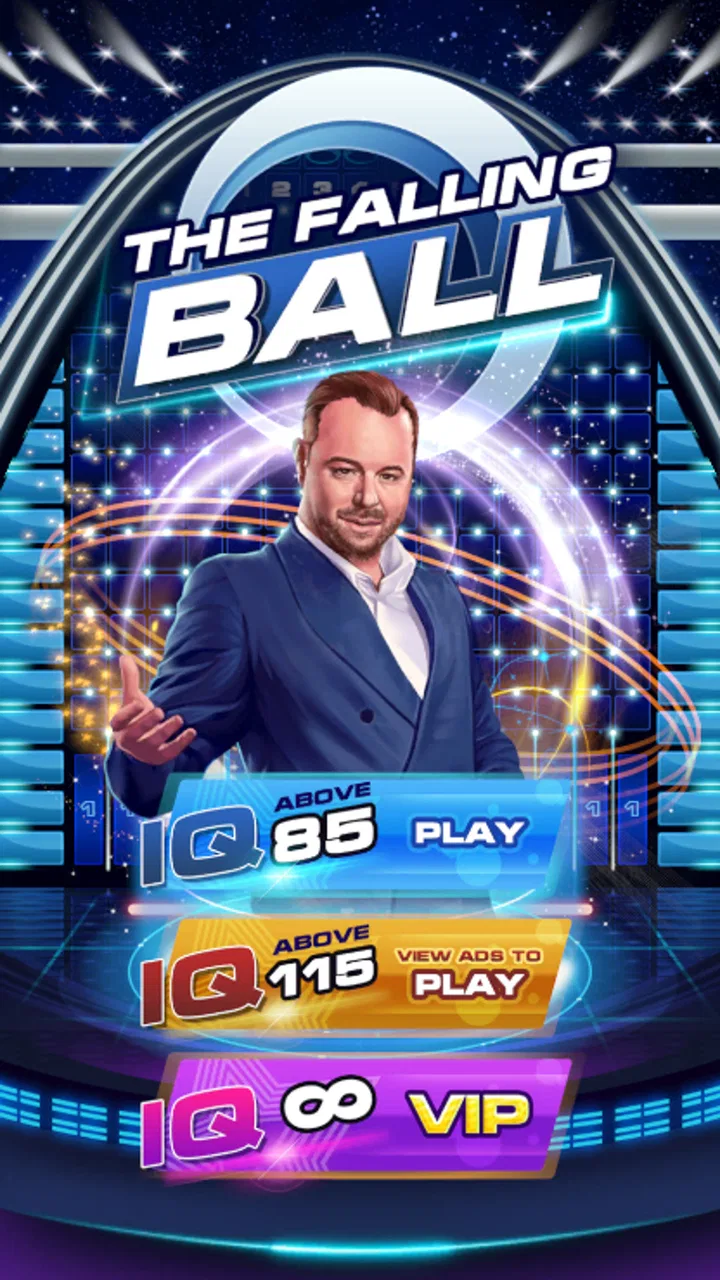
The central design choice is the falling ball. Instead of presenting trivia as a calm sequence where I can take my time, the game connects answering with movement and risk. Even without making the format complicated, that creates a different rhythm from a standard quiz app. I am not only thinking about whether an answer is correct; I am also aware that hesitation can affect what happens next.
That pressure makes the game feel more approachable for casual play. A traditional trivia app can sometimes feel like a list of questions with a score attached. Here, the ball gives the session a visible sense of motion. It helps the game communicate its stakes quickly, which matters when I pick it up for a short break and do not want to read a long tutorial before starting.
The format suits players who enjoy fast decisions. If you like answering questions while keeping an eye on an immediate consequence, the falling-ball mechanic adds useful tension. It is especially effective when I am playing in short bursts, because a compact challenge can feel complete without requiring a long commitment.
There is a trade-off, though. The action layer may appeal less to someone who enjoys trivia mainly for careful reflection. When the attraction of a quiz is learning a subject in depth, a falling obstacle can feel like a distraction rather than an improvement. This game is better understood as trivia entertainment with a physical challenge attached, not as a dedicated study companion.
What playing feels like in everyday use
A realistic use case is a short wait before an appointment. I can open the game, play a few rounds, and stop without needing to remember a complicated story or manage a large collection of items. The falling-ball setup gives those spare minutes a clear purpose: answer well, react to the changing situation, and see how far the attempt goes.
It also works for informal group play, although I would treat it as a pass-the-phone activity rather than a full multiplayer replacement. Friends can compare how they handle the questions and pressure, but anyone expecting a structured live quiz room should choose a service built specifically around hosted competition. This title is more personal and immediate.
Another useful situation is when I want something lighter than a conventional puzzle game. Trivia keeps the mind active, while the ball prevents the experience from becoming too static. That balance makes it a reasonable choice for a quick break after work or during travel, provided I am comfortable with the possibility that the same basic loop may eventually feel familiar.
Free access and what the purchase information means
The game is listed as free, which makes trying it straightforward. I do not have to commit money before finding out whether the falling-ball format suits me. That matters here because the concept is distinctive enough that personal preference will decide a lot: some players will enjoy the pressure immediately, while others will prefer a quieter trivia presentation.
Optional in-app purchases are listed at $0.99 to $1.99 per item. I see that as a relatively low entry point for players who decide the game deserves extra spending, but I would still approach those purchases deliberately. Free access already gives the game its main opportunity to prove itself, so I would play first and only consider paying after deciding that the core loop remains enjoyable over several sessions.
The important value distinction is that the download is free, while optional spending is separate from the basic decision to try it. I would not describe the game as requiring a purchase to understand its appeal. At the same time, I would not assume that buying an item automatically transforms it into a deeper trivia product. The verified price information establishes the cost range of individual purchases, not a guarantee of what every purchase changes or how much additional enjoyment it provides.
For that reason, my advice is simple: treat the free version as the test. If you enjoy the questions and the falling-ball pressure without feeling that progress depends on spending, the game is already delivering its main value. If the basic experience feels repetitive, a small purchase is unlikely to solve the underlying issue that the format may not be right for you.
Where the value comes from
The strongest value is convenience. This is a focused game that can fill a few minutes without asking me to learn a complicated control system. The trivia category gives every session a thinking element, while the ball adds a visual and timing-based layer. That combination is more engaging than answering isolated questions for a score, especially when I want something casual but not completely mindless.
Its value also comes from replayability at the session level. Even when I do not plan a long play period, the challenge encourages another attempt because I want to handle the next question more cleanly or react better under pressure. That is a useful loop for a free game: the motivation comes from improving my own performance rather than from needing a large amount of setup.
Still, I would not measure its value by the same standard as a substantial educational app. The game can exercise recall and general knowledge, but I would not use it as my primary way to learn a subject. A learning-focused alternative is usually better when I need explanations, organized lessons, progress by topic, or a reliable study plan. This title earns its place through quick entertainment, not structured instruction.
Small tactics that make sessions more enjoyable
My first practical tip is to treat each attempt as a short performance rather than trying to force a long session. The falling-ball pressure is most effective when I am alert. If I keep playing while tired or distracted, mistakes can feel less like useful challenges and more like noise. Shorter sessions help preserve the tension that makes the format interesting.
Second, I would pay attention to the difference between knowledge mistakes and pressure mistakes. If I choose the wrong answer because I do not know it, that tells me something about my trivia knowledge. If I know the answer but react poorly because I rush, the better adjustment is to slow down just enough to read carefully. Separating those two types of error makes the game more useful than simply chasing a higher result.
Third, I would use it as a change of pace between more demanding tasks, not as a substitute for them. A few rounds can reset my attention, but the game is still entertainment. Expecting it to provide the depth of a study tool or the variety of a large arcade collection will make its limitations more noticeable.
The trade-offs behind the simple design
The biggest limitation is that the same clear concept that makes the game easy to start may also limit how long it stays fresh. The experience is built around trivia plus falling-ball pressure. Players who need many modes, extensive customization, rich social features, or a strong narrative may find the format too narrow.
There is also a potential accessibility trade-off in the pressure-based presentation. Some people enjoy making quick decisions, while others need a slower pace to read and think comfortably. If your enjoyment of trivia depends on having time to consider every option, a conventional quiz app may be a better fit. The game’s identity depends on urgency, so that urgency cannot simply be removed without changing what makes it distinctive.
Another consideration is the difference between recognition and understanding. Getting an answer right can feel satisfying, but a correct response is not the same as receiving a detailed explanation. I would choose this game for recall, reaction, and casual challenge. I would choose a more academic alternative when I want to understand why an answer is correct or build knowledge systematically.
The free-to-play structure also deserves a measured view. The listed purchase range is modest, but “low cost” is not the same as “necessary cost.” I would avoid spending simply because a difficult session feels frustrating. First decide whether the core trivia-and-ball loop is enjoyable on its own; only then consider whether an optional item adds enough value for your personal use.
How it compares with ordinary trivia alternatives
Compared with a standard trivia app, this game feels more active and less like a questionnaire. The falling ball gives each answer an immediate physical context, which can make a familiar category feel fresher. If ordinary quizzes lose my attention because they are too still, this is the more appealing option.
Compared with a dedicated educational quiz platform, it is lighter and less structured. I would not expect the same emphasis on lessons, revision, topic organization, or detailed feedback. Those alternatives are better when the goal is measurable learning. This game is better when I want knowledge questions packaged as a quick arcade-style challenge.
Compared with a large social trivia game, it appears more suitable for individual, on-demand play. A social platform may be preferable when I want live opponents, chat, tournaments, or a strong community routine. The falling-ball format has a more immediate personal focus, which is useful when I only have a few minutes and do not want to coordinate with anyone.
That comparison explains why I would not call one option universally better. The right choice depends on what I want from trivia. For study, choose structure. For social competition, choose a dedicated multiplayer service. For a free, quick challenge that adds movement and pressure to questions, this game has a clearer reason to exist.
Who is most likely to get good value
I think the best audience is casual trivia fans who enjoy games that can be understood quickly. It is also a good match for players who like retrying a compact challenge and improving through better timing or more confident answers. Because it is free to start and rated for Everyone, it is easy to test without making a large commitment.
It may also suit families looking for a simple question-based game, although I would still consider the individual player’s comfort with time pressure. The age rating makes it broadly approachable, but the most important issue is whether each person enjoys the pace and presentation. A calm, untimed quiz may be better for younger players or anyone who finds urgency frustrating.
I would suggest skipping it if your main goal is serious learning, detailed explanations, or a broad collection of long-term systems. I would also skip it if you dislike repeating short challenges or if you prefer trivia to remain completely separate from action. In those cases, the game’s defining feature is precisely the part most likely to get in your way.
Device details and practical expectations
The game was released on May 20, 2021, and its current version is 12.4. It supports Android 8.0 and later, so compatibility depends on the operating system rather than requiring a recent flagship phone. The title has passed half a million installs and holds a 4.7 average from about 9.5 thousand ratings, which suggests that many players respond well to its particular blend of trivia and falling-ball action.
Those figures are useful context, but they should not replace personal testing. A strong average rating cannot tell me whether I will prefer fast decisions to relaxed quizzes, and a large install base does not guarantee that the loop will remain interesting for every player. I would use the free entry point to make that judgment myself.
VGames Pte. Ltd. has kept the product identity easy to grasp: this is a trivia game built around a falling ball, not a complicated platform that needs extensive explanation. That clarity is a strength for first-time players. It also means the game has fewer places to hide if the core loop does not click, so the first several sessions are a fair test of its value.
My buy-or-skip verdict
I would download it if I wanted a free, quick trivia game with more tension than a normal question list. The falling ball gives the format a recognizable personality, and the short-session design makes sense for waiting rooms, breaks, and casual attempts to improve. The fact that it is free to start keeps the decision low-risk, while the optional items priced from $0.99 to $1.99 should be treated as extras rather than an automatic requirement.
I would skip it if I wanted a serious learning tool, a large social competition, or a deep game with many systems to explore. I would also avoid spending immediately. Play enough of the free experience to decide whether the pressure makes trivia more enjoyable for you. If it does, the game offers a neat and accessible way to turn spare minutes into small challenges.
My final recommendation is therefore conditional but clear: try it for the free core experience, then judge the optional spending by the enjoyment it actually adds. For the right player, the combination of questions and a falling ball is a clever way to keep casual trivia moving. For everyone else, a traditional quiz or a more structured educational alternative will probably provide better value.
FAQs for The Falling Ball Game
01What is the objective of The Falling Ball Game?
The Falling Ball Game challenges players to navigate a ball through a series of obstacles as it descends continuously. The main objective is to avoid obstacles, collect power-ups, and achieve the highest score possible. Players need to demonstrate quick reflexes and strategic timing to progress through increasingly difficult levels.
02Is The Falling Ball Game suitable for all ages?
Yes, The Falling Ball Game is designed to be family-friendly and suitable for players of all ages. Its intuitive controls and engaging gameplay make it accessible to younger players, while the increasing difficulty levels ensure that older players remain challenged and entertained.
03Does the game require an internet connection to play?
The Falling Ball Game can be played offline, making it convenient for users who are on the go or in areas with limited internet access. However, an internet connection may be required for initial downloads, updates, and accessing certain online features such as leaderboards.
04Are there in-app purchases available in The Falling Ball Game?
Yes, The Falling Ball Game offers in-app purchases. These typically include additional lives, power-ups, or cosmetic customizations. While the game can be enjoyed without spending money, these purchases can enhance the experience by providing more options or easing progression through difficult stages.
05How often does The Falling Ball Game receive updates?
The developers of The Falling Ball Game are committed to providing regular updates to enhance gameplay, fix bugs, and introduce new features. Updates are typically released monthly, but this can vary based on user feedback and the introduction of significant new content or events.
Pros
- Intuitive controls make it easy to play.
- Vibrant graphics enhance visual appeal.
- Levels increase in difficulty
- keeping it challenging.
- Quick load times ensure smooth gameplay.
- Offline mode available for uninterrupted play.
Cons
- Advertisements can be intrusive at times.
- Limited customization options for players.
- In-app purchases can be pricey.
- Occasional lag on older devices.
- Repetitive music may become annoying.

The Falling Ball Game
Gallery